


畅销产品
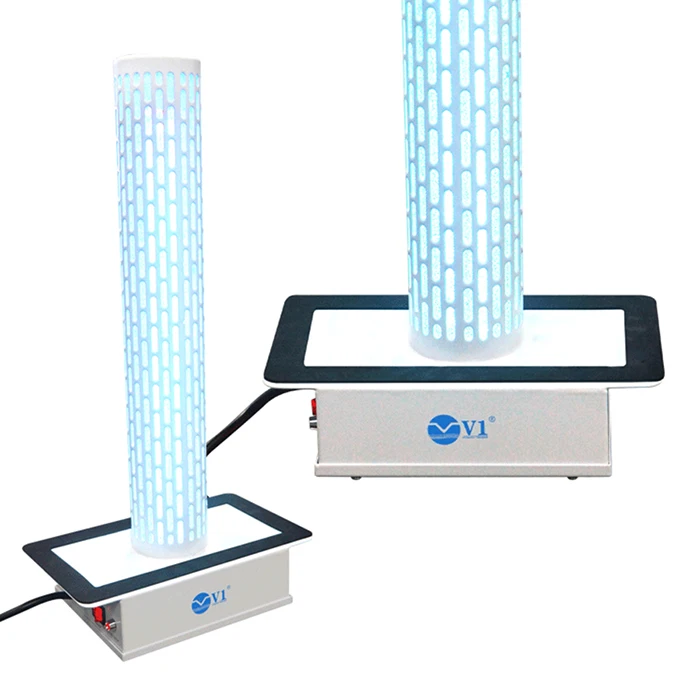
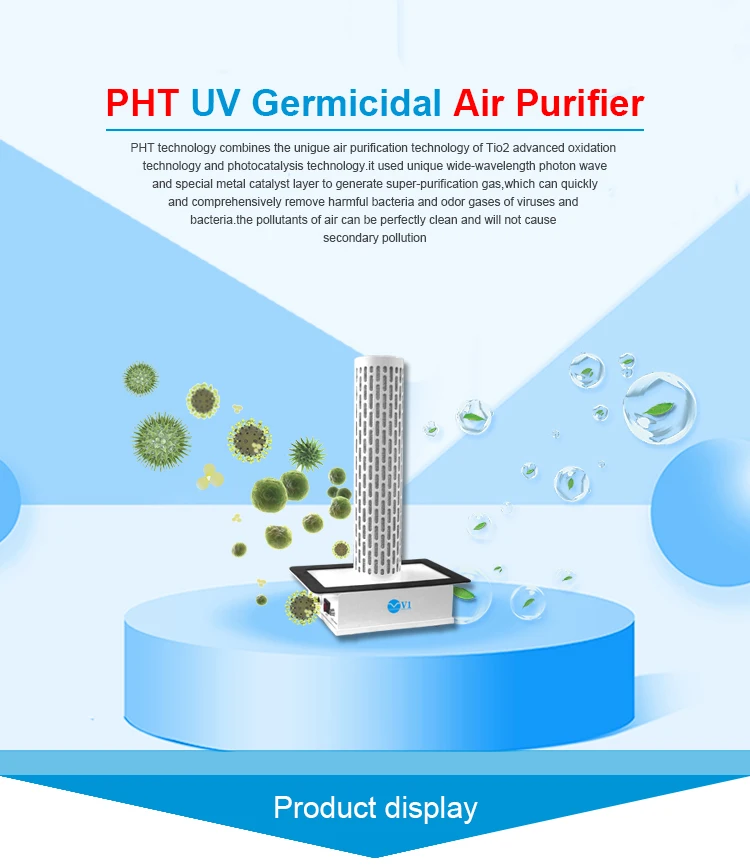
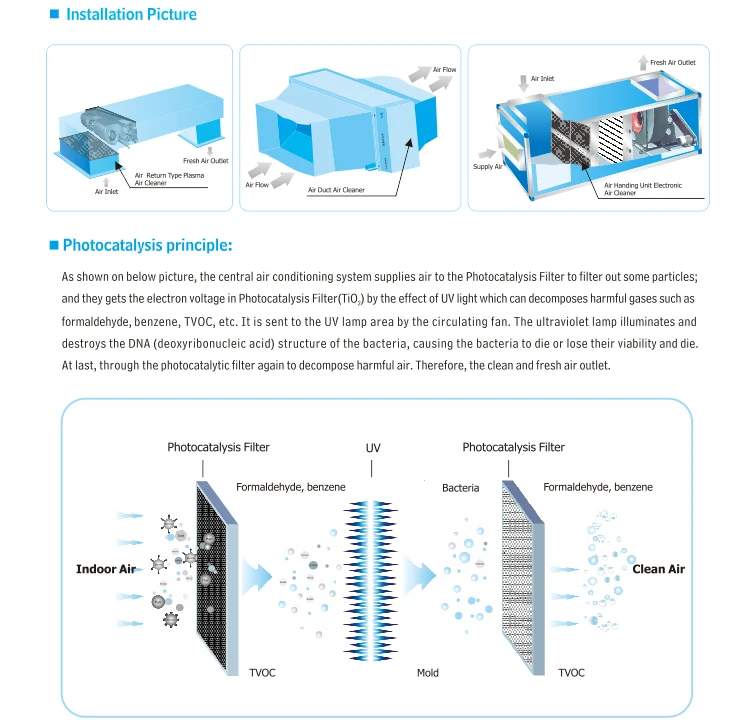
Photocatalytic oxidation (PCO) is the process of converting malignant contaminants into water, carbon dioxide and detritus. The photocatalytic method is ideal for water treatment and air purification.
The technology works by breaking down the pollutants to improve the quality of air and water. It is regarded to be the best
alternative for wet digestion of organic compounds. PCO offers many advantages like minimal secondary pollution, easy operation, less energy consumption, and high efficiency
While UV lights are effective and work particularly well at killing organic growths, such as mold and bacteria; they have no
effect on dust, pet dander or other allergens, and can only work in a specific range. It is for this reason that most residential HVAC UV lights are installed near the coils to prevent this mold or bacteria growth since all of the air passes through there when traveling throughout your system.
The technology works by breaking down the pollutants to improve the quality of air and water. It is regarded to be the best
alternative for wet digestion of organic compounds. PCO offers many advantages like minimal secondary pollution, easy operation, less energy consumption, and high efficiency
While UV lights are effective and work particularly well at killing organic growths, such as mold and bacteria; they have no
effect on dust, pet dander or other allergens, and can only work in a specific range. It is for this reason that most residential HVAC UV lights are installed near the coils to prevent this mold or bacteria growth since all of the air passes through there when traveling throughout your system.
1. Coil Sterilization – The most common type of HVAC UV light, in part because it runs 24 hours a day and 7 days a week to ensure effective sterilization. This is a “stick-type” light that is installed inside of the return air duct. Its main job is to sterilize the air handler coil which is where mold and bacterial growth issues are most likely to arise. In this type of sterilization, you are treating the origin of the problem as opposed to its symptoms. This is because the coil and
drain pan tend to harbor contaminants. If you replace the bulb during your annual HVAC service, you won’t have to worry about any additional maintenance.
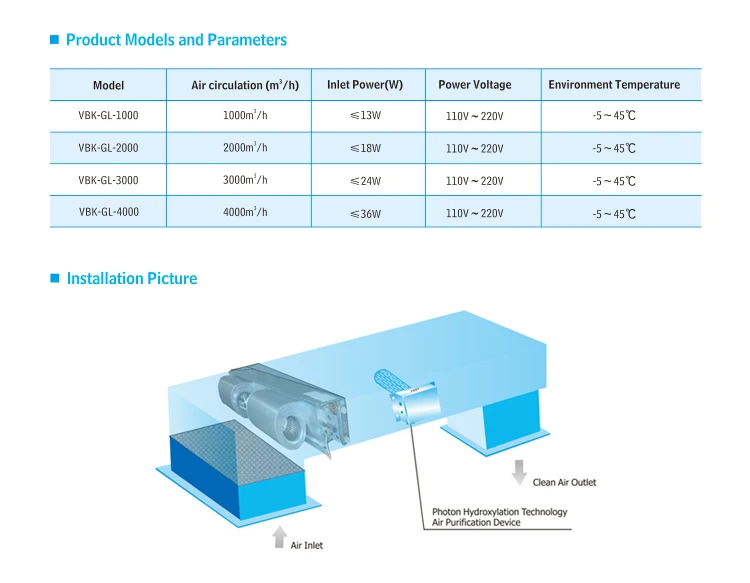
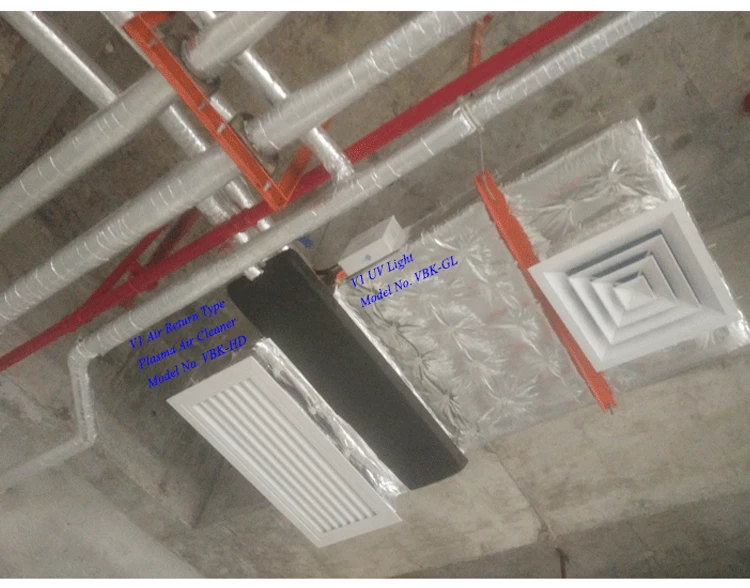
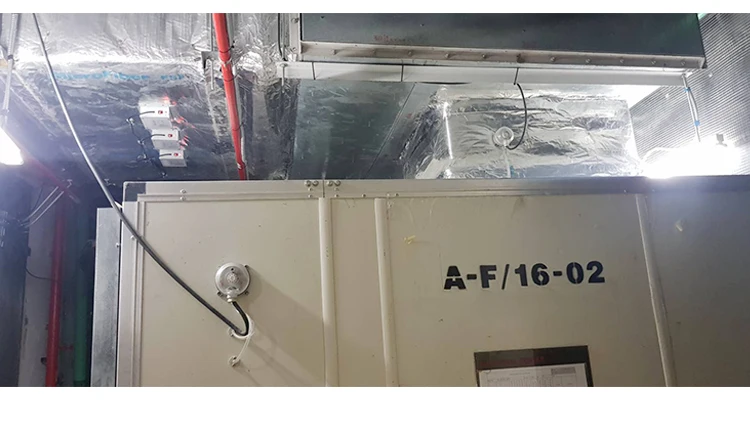
2. Air Sterilization – This method uses a UV light unit that is installed in the return air duct and is designed to cycle on with
the air handler blower. A complete UV light unit will sterilize the moving air itself as it is pushed through the HVAC system.
This will effectively treat air that is contaminated by any number of sources.
drain pan tend to harbor contaminants. If you replace the bulb during your annual HVAC service, you won’t have to worry about any additional maintenance.
2. Air Sterilization – This method uses a UV light unit that is installed in the return air duct and is designed to cycle on with
the air handler blower. A complete UV light unit will sterilize the moving air itself as it is pushed through the HVAC system.
This will effectively treat air that is contaminated by any number of sources.









该产品暂无评论。